Rise Again
A determined song about rising through doubt, hardship and past falls while continuing toward light.

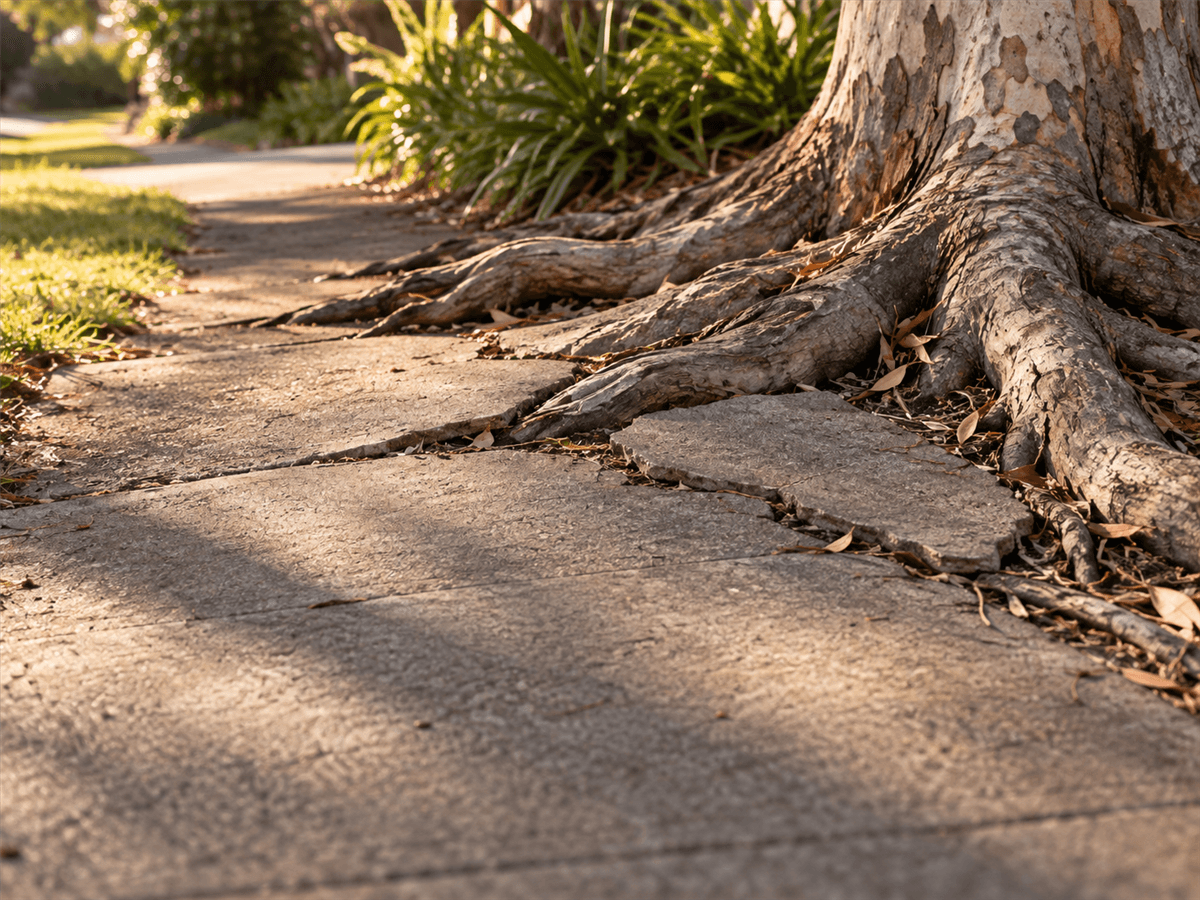
"The cracks in the pavement tell a story of time" — Rise Again
A cracked, worn footpath doesn't look impressive. It just looks tired, if you're not paying attention. This line pays attention differently — reading the cracks as a record of time and weight carried, not as evidence of decay.
A well-worn path — like a well-worn adult life, full of routines repeated thousands of times, responsibilities carried year after year — shows its wear plainly. That wear isn't a sign something's gone wrong. It's simply what genuine, sustained use actually looks like over time.
Nobody can point to the exact week a particular crack in a footpath appeared, or say precisely what caused it. But it's there because of real weight, real weather, real time passing — the same way the wear on an adult life traces back to real years actually lived, even when the specific details blur together.
It's easy to look at an exhausted stretch of adult life and read only tiredness or things not going as planned. Reading it instead as a record — a story of time, weight carried, distance covered — changes what the wear actually means, without requiring anything about the life itself to be different.
There's a song called Rise Again that reads ordinary wear this way — not decay, but a story, plainly told by the cracks themselves. You can hear it here: https://iadult.com.au/listen/rise-again
A determined song about rising through doubt, hardship and past falls while continuing toward light.

This isn't a one-time declaration — it's a practice, repeated as many times as needed. This piece looks at why "again" is the most important word in the line, and why the ordinariness of getting up is what makes it repeatable.
Read Story
Hard days produce a genuinely persuasive internal voice running through every reason things are too much. This piece looks at why the voice isn't lying so much as not in charge, and why hearing a thought is different from being governed by it.
Read Story
Most images of resilience are public — the comeback story, the applause. This piece looks at the quieter, far more common kind: a fire that burns in the silence, with no audience, simply because it's what's required to get through.
Read Story
Some mornings the day ahead already feels like too much before anything's actually happened. This piece looks at why heavy steps don't need a dramatic cause, and why naming the heaviness out loud helps, even without making the day itself easier.
Read Story