The instinct with most falls is to move past them fast and hope nobody brings them up again. This piece asks for something different — to actually keep what the fall taught, and let the scar stay visible as a sign, not just a reminder.
A parent stretched thin can look, from the inside, like they're falling apart. This piece offers a different reading of the same strain — not broken, bending, which leaves room for coming back to shape once the pressure eases.
Doubt doesn't wait to be invited on a hard day. This piece looks at the real difference between hearing doubt and hosting it, and why holding that boundary is ongoing work, not a single decision made once.
A hard stretch can be explained two completely different ways using the same evidence — lost, or growing deeper. This piece looks at why that choice matters, and what changes depending on which explanation gets picked.
Adult life is rarely quiet. This piece looks at why waiting for the noise to stop isn't a realistic strategy, and what it takes to find a signal strong enough to hold its own against everything competing for attention.
It's natural to treat a chaotic week as an enemy to defeat. This piece looks at why that framing backfires, and what changes once the tide — the overwhelm itself — stops being cast as the obstacle and starts being the starting point.
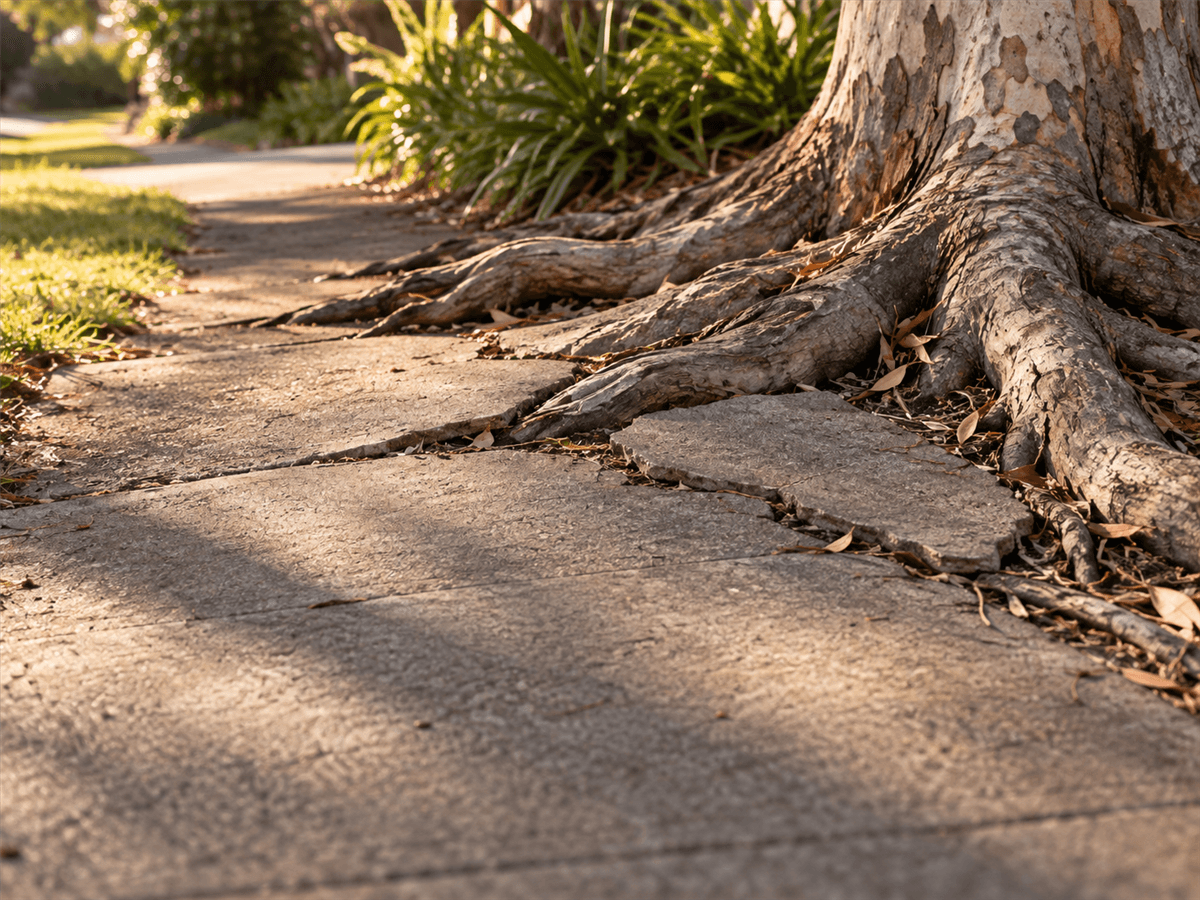
A cracked, worn footpath just looks tired if you're not paying attention. This piece reads it differently — as a record of time and weight carried, not decay — and asks what changes when an exhausted stretch of life gets read the same way.
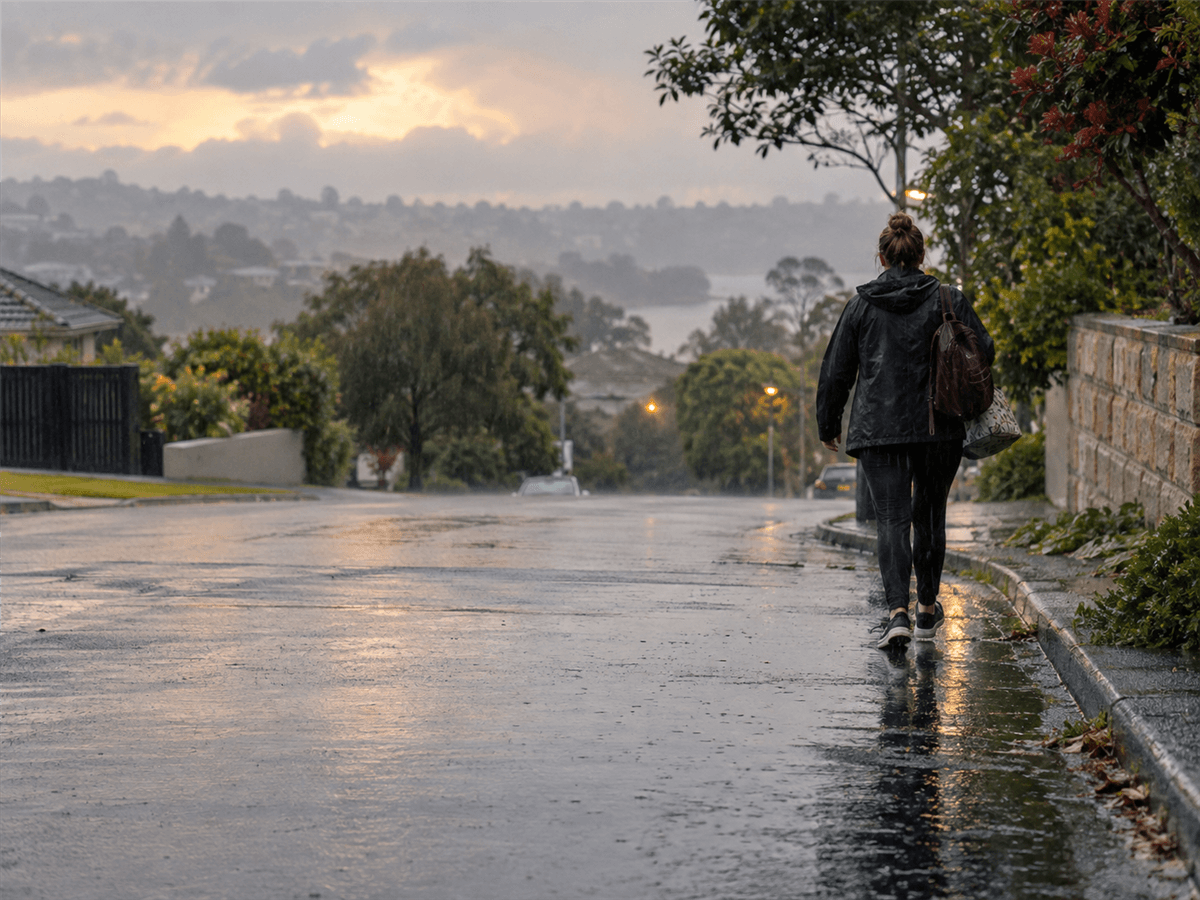
Adult overwhelm comes in waves that can't be avoided. This piece looks at why "won't drown" is a more honest promise than "won't struggle," and what rising with a wave actually looks like in an ordinary overwhelmed week.
This isn't a one-time declaration — it's a practice, repeated as many times as needed. This piece looks at why "again" is the most important word in the line, and why the ordinariness of getting up is what makes it repeatable.
Getting through an overloaded week without falling apart tends to get filed under "barely coping." This piece pushes back — managing under real pressure isn't a lesser cousin of strength, and it doesn't require feeling calm to count.
Hard days produce a genuinely persuasive internal voice running through every reason things are too much. This piece looks at why the voice isn't lying so much as not in charge, and why hearing a thought is different from being governed by it.
Adult life rewards filling every gap. This piece looks at why silence gets filled so automatically, why "learning" is the honest word for this skill, and what actually happens once you manage to stay in it a little longer.
Most images of resilience are public — the comeback story, the applause. This piece looks at the quieter, far more common kind: a fire that burns in the silence, with no audience, simply because it's what's required to get through.
A hard stretch of adult life tends to get treated as pure loss. This piece looks at reading tears, tremors, and fear as information rather than failure, and why that reframe matters more once avoidance stops being an available option.
Between the school run, work deadlines, and whatever's broken around the house, it's possible to be exhausted, constantly moving, and still dragging your feet on what actually matters. This piece looks at why that drag feels so normal, and why noticing it is the first real step.
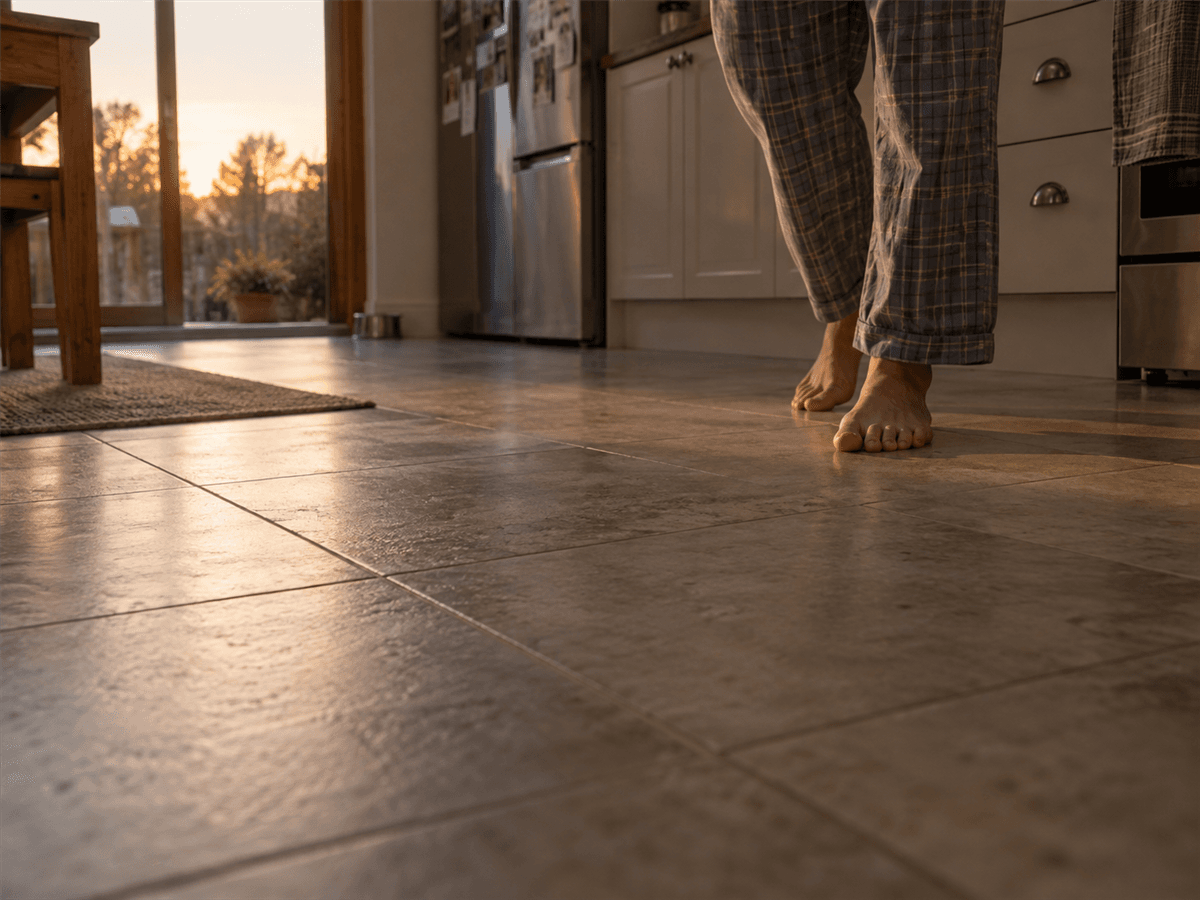
Some mornings the day ahead already feels like too much before anything's actually happened. This piece looks at why heavy steps don't need a dramatic cause, and why naming the heaviness out loud helps, even without making the day itself easier.
It rarely announces itself — a heaviness in the chest that doesn't have one obvious cause. This piece looks at why "some days" makes it harder to pin down than a constant feeling would, and why naming it plainly is already useful.