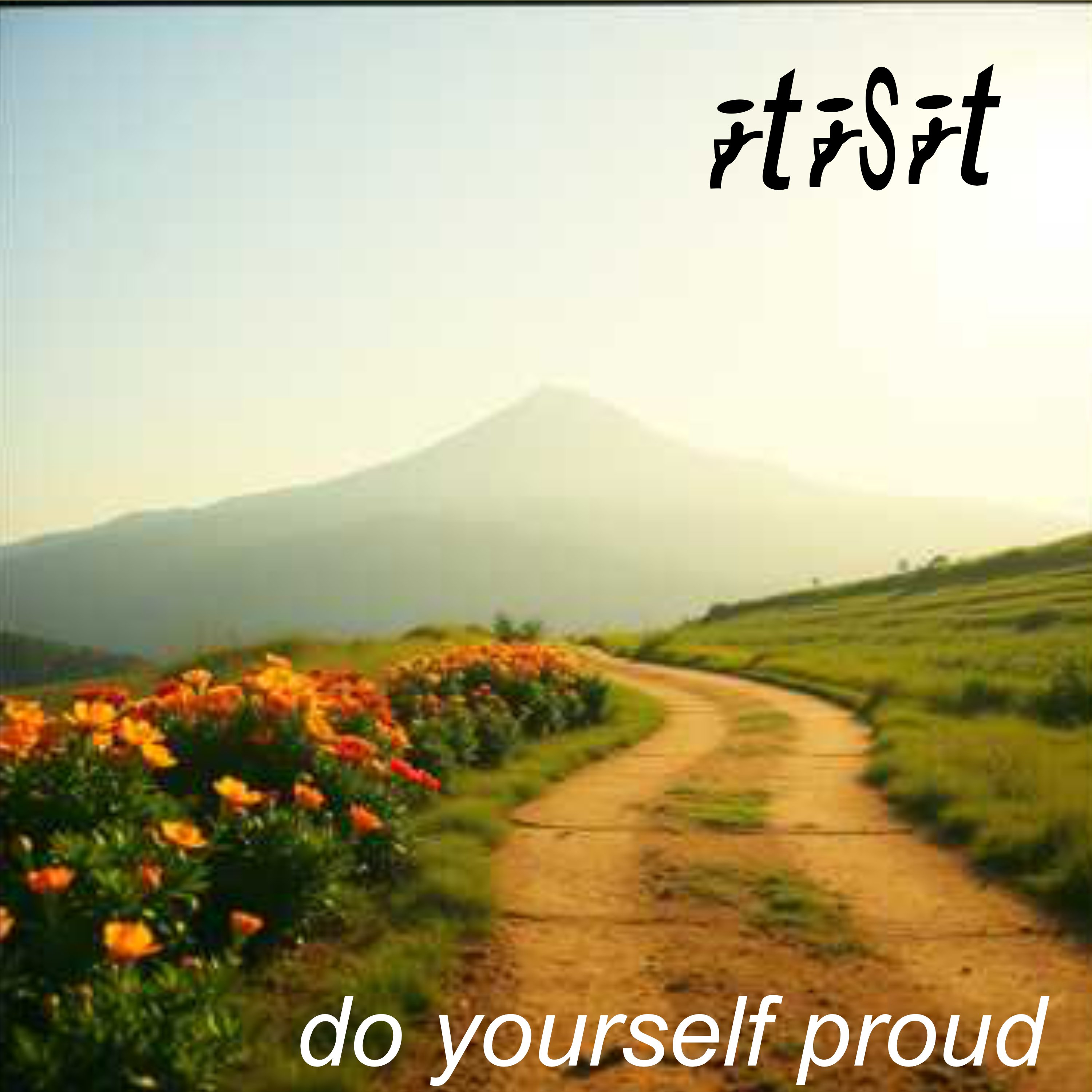
Do Yourself Proud
An uplifting call to be yourself, face uncertainty, pursue your dreams and do your best.


"Worries will come, but everyone has them" — Do Yourself Proud
Everyone's group chat, dinner table, and school pickup line looks calmer than it actually is. Behind most of those composed exteriors, worry is quietly running its own background process — bills, kids, ageing parents, work — and almost nobody says so out loud. This line just states the obvious thing nobody admits.
Worry seems like a personal, unusual burden mainly because everyone around you is also keeping theirs quiet. That collective silence creates a false impression that everyone else has it more together, when really everyone's just following the same unspoken rule not to mention it.
Knowing worry is universal doesn't make a specific worry disappear — the mortgage stress, the parenting doubt, the health scare are all still real. What changes is whether carrying that worry also has to come with the extra weight of feeling uniquely burdened by it.
There's a specific kind of relief that comes purely from knowing a worry is shared, even before anything about the worry itself has changed. That relief is smaller than actually solving the problem, but it's real, and it's available immediately rather than eventually.
There's a song called Do Yourself Proud that says this plainly enough that it stops being a secret — worries will come, but everyone has them. You can hear it here: https://iadult.com.au/listen/do-yourself-proud
An uplifting call to be yourself, face uncertainty, pursue your dreams and do your best.

This song offers essentially the same encouragement to two different versions of the same person, once early on and once much later. This piece looks at why reassurance doesn't get graduated out of, and what it means that this message never actually expires.
Read Story
Hope gets dismissed as naive, usually by people picturing its passive version. This piece draws a sharper line — the naivety was never in the hoping, it's in hoping without ever carrying it through, and looks at what turns a feeling into fuel.
Read Story
Adult life gets treated as something that should eventually resolve into certainty. This piece pushes back — the future stays genuinely unknown for almost everyone, and living fully doesn't actually require knowing what's coming next.
Read Story
The instinct with most falls is to move past them fast and hope nobody brings them up again. This piece asks for something different — to actually keep what the fall taught, and let the scar stay visible as a sign, not just a reminder.
Read Story
Doubt doesn't wait to be invited on a hard day. This piece looks at the real difference between hearing doubt and hosting it, and why holding that boundary is ongoing work, not a single decision made once.
Read Story
Adult life is rarely quiet. This piece looks at why waiting for the noise to stop isn't a realistic strategy, and what it takes to find a signal strong enough to hold its own against everything competing for attention.
Read Story
A cracked, worn footpath just looks tired if you're not paying attention. This piece reads it differently — as a record of time and weight carried, not decay — and asks what changes when an exhausted stretch of life gets read the same way.
Read Story
This isn't a one-time declaration — it's a practice, repeated as many times as needed. This piece looks at why "again" is the most important word in the line, and why the ordinariness of getting up is what makes it repeatable.
Read Story
Hard days produce a genuinely persuasive internal voice running through every reason things are too much. This piece looks at why the voice isn't lying so much as not in charge, and why hearing a thought is different from being governed by it.
Read Story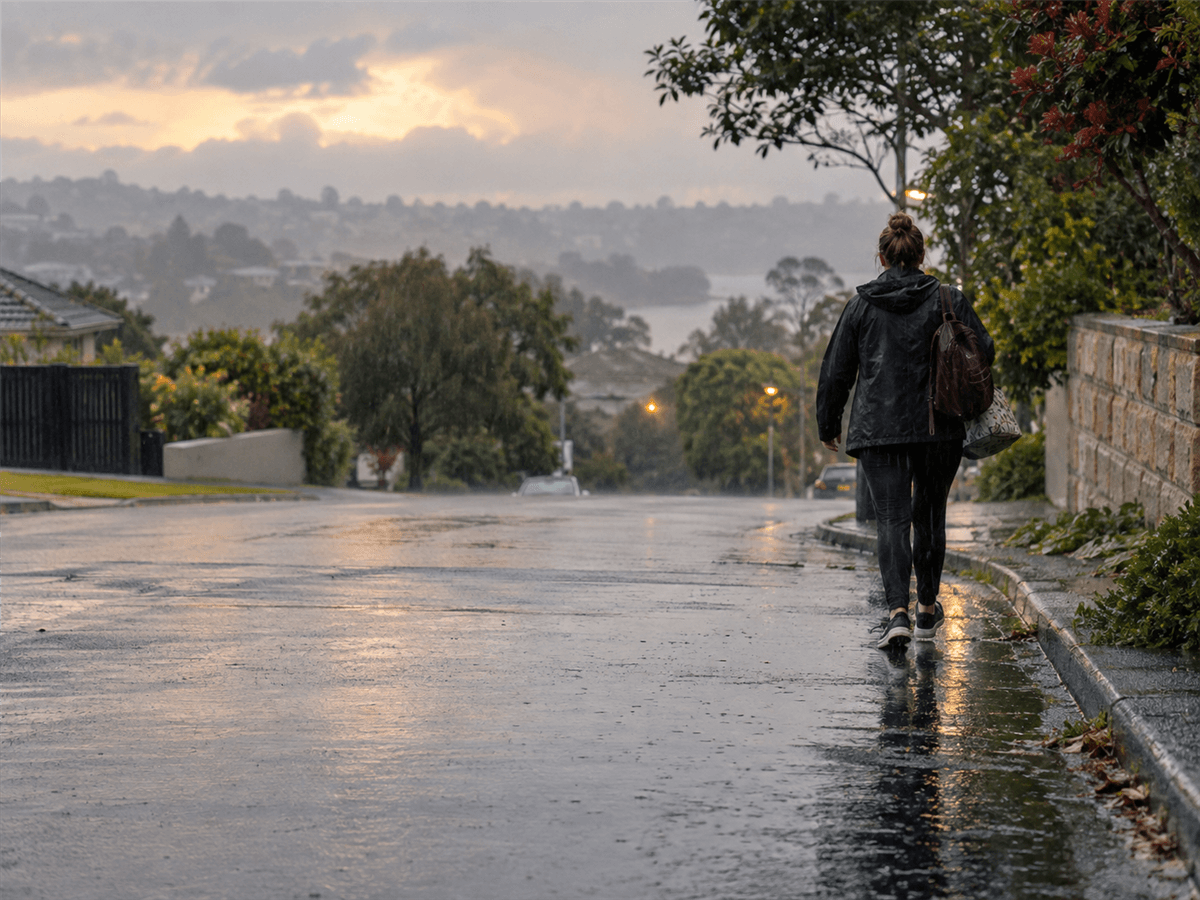
Most images of resilience are public — the comeback story, the applause. This piece looks at the quieter, far more common kind: a fire that burns in the silence, with no audience, simply because it's what's required to get through.
Read Story
Some mornings the day ahead already feels like too much before anything's actually happened. This piece looks at why heavy steps don't need a dramatic cause, and why naming the heaviness out loud helps, even without making the day itself easier.
Read Story